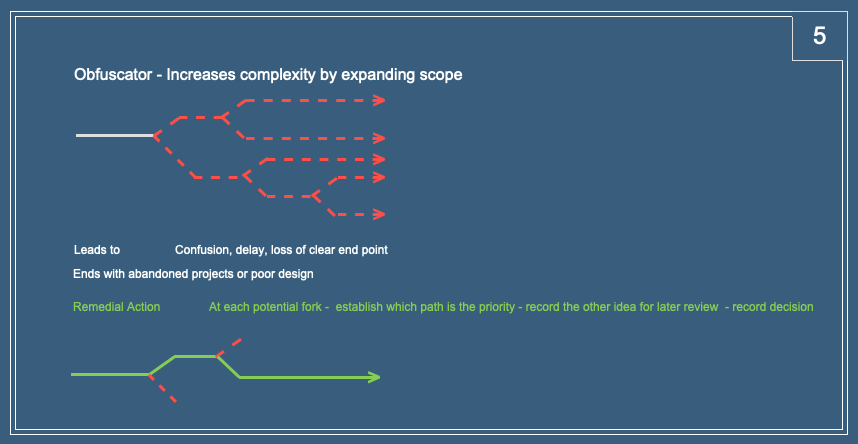
“Then the client may phone up and change their mind, then we find out that the last one in stock is damaged so we have to change it again, then we might find that the truck driver is ill, then we might find that the consignment needs to be moved to another truck run, then the client might not be at home or rejects the delivery….”
All of this can be handled and contingencies put in place by a good system and this is fine. But why do the changes take place? What are the changes taking place, how often do they happen and which of them can be predicted and avoided or reduced?
If your system could start alerting you to the likelihood of changes being needed and if it could give you feedback on the numbers of points of failure and nature of failure would that be useful?
This process of improvement never stops and it is both necessary and beneficial. It also applies to all types of business and data management.
All systems have holes in them and they all have have flaws.
These could be programming errors (they do occur, hence the endless round of bug fixes on our phones etc – spot the one in the graphic above!)
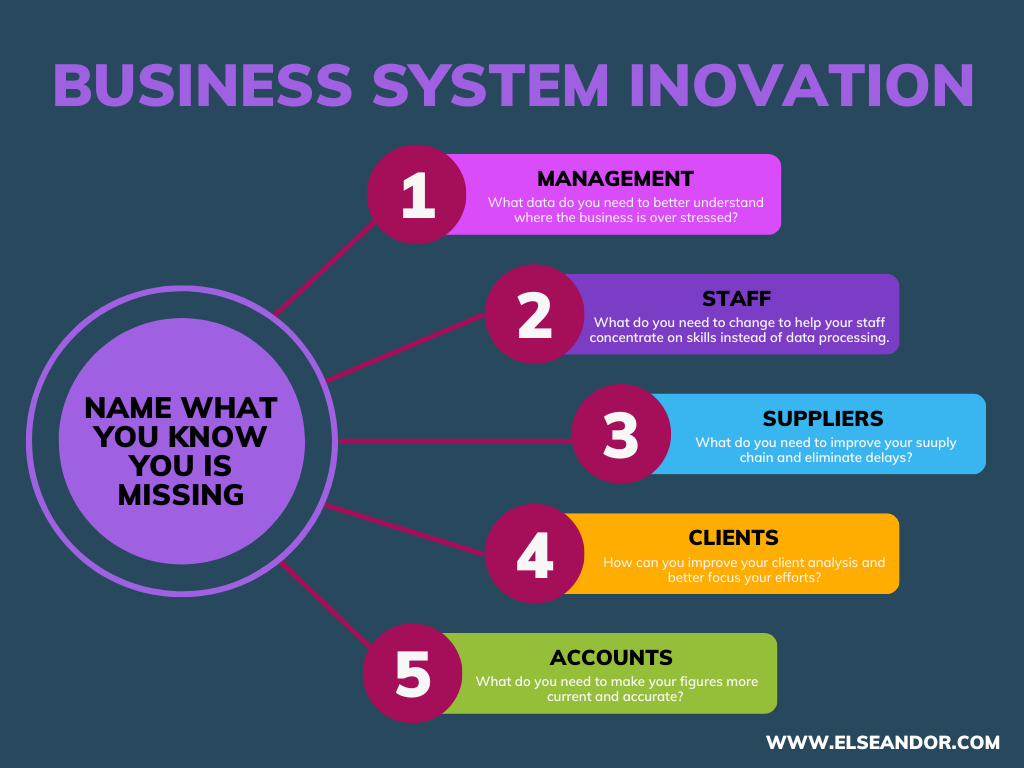
But more often the flaws result from an ever clearer understanding of your business needs. You have a system that could be better. The first step is to name the problem. Then remove all judgement over whose fault it is as this just delays action. Now is the time to brainstorm what could be done to make the system better.
Sometimes I am asked to modify a system to allow for a missing skill in the staff using the system. This can of course be done and if the staff member(s) provide value elsewhere this might be the right thing to do. However, if by training you can overcome the skill issue, maybe the system does not need to be changed at all.
When a system is changed for this reason it can become “the way things are done”. A few years later the staff member has left and yet those that are left still run the system in this “compensating” way. This is what I call an oxbow lake. The river used to run though here but it no longer does.
The most useful innovation is where a function can be added to the system and it entirely removes a task. So instead of giving the accounting department additional checks for missing data – you just get the sales people to enter the key data before it even gets to the accounting department.
Capture the data when it is easiest – i.e. the first time you become aware of it and well before it becomes a stumbling block.
It may be weeks before it is needed, but when it is, the system can present it to you at the right time and in the right place.
Here are some typical flaws:
· Failing to capture key data, · Redundant processes/functions · Forced to use sub-systems · Any data formatting, · Copying and pasting data, · Data not where you need it · Missing search options
If you have an off the shelf system, unless you can find the right tool to overcome these, you are dependant on the software company agreeing that your request is relevant. Then, in due course, the new function might be introduced in an upgrade. This may be months or even years later.
If you have custom software, the change can be implemented quickly – maybe in the next week or even on the day the need is identified.
That is what I do.
Call me if you would like a bit more responsiveness from your business systems. Richard – 07771 783 551
We all know that change starts when there is severe pain or a clear gain.
Most of my clients come to me when they are in severe pain. The system they are using to run their business has failed and “nothing works anymore”.
Usually they have run the current system for as long as they can but now one of four things has happened:
1. The system crashes and they cannot get it back up and running. 2. A key staff member has left and they were the ones who knew how to keep the old system working. 3. They have landed a job that is too big for the current system to handle or 4. A new staff member arrives and asks why the heck the current system is still in use.
The client feels that a new system needs to be created from the ground up. Which is true and yet there is a lot of wisdom held both within the current system and in the heads of the people that use it.
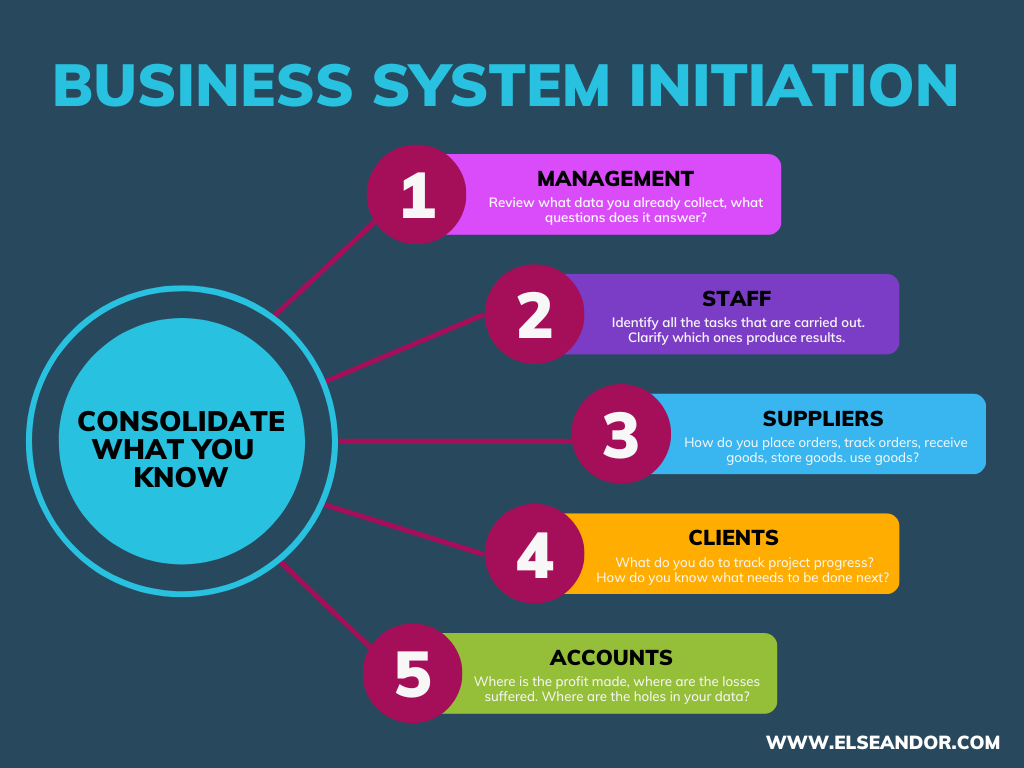
Recording what works, what does not and what new functions are needed is a great place to start.
But note: This point will come around again. Ideally it becomes a regular check up on your systems. It is what improves them over time. Systems cannot remain stagnant – they have to evolve as everything in your company is evolving.
Sadly some things will not make it to the next generation. But great new things will reveal themselves.
I do this work – I am seeking more of it. If you feel I could help you or someone you know – contact me!
All of my clients have legacy systems in place and in those systems is the collected wisdom from several years of making do. Collecting, collating and analysing the existing systems allows the blank page to be quickly filled with solid work.
The system that is created is a structured version of what they already have plus the wisdom that resides in the heads of those that operate them.
Parts that are defunct tasks that serve no real purpose are trimmed out, tasks that can be automated disappear. Often hours, even weeks of work, vanish and staff find that they have free time on their hands.
Recruitment is put on hold as staff can now be re-deployed on more demanding tasks.
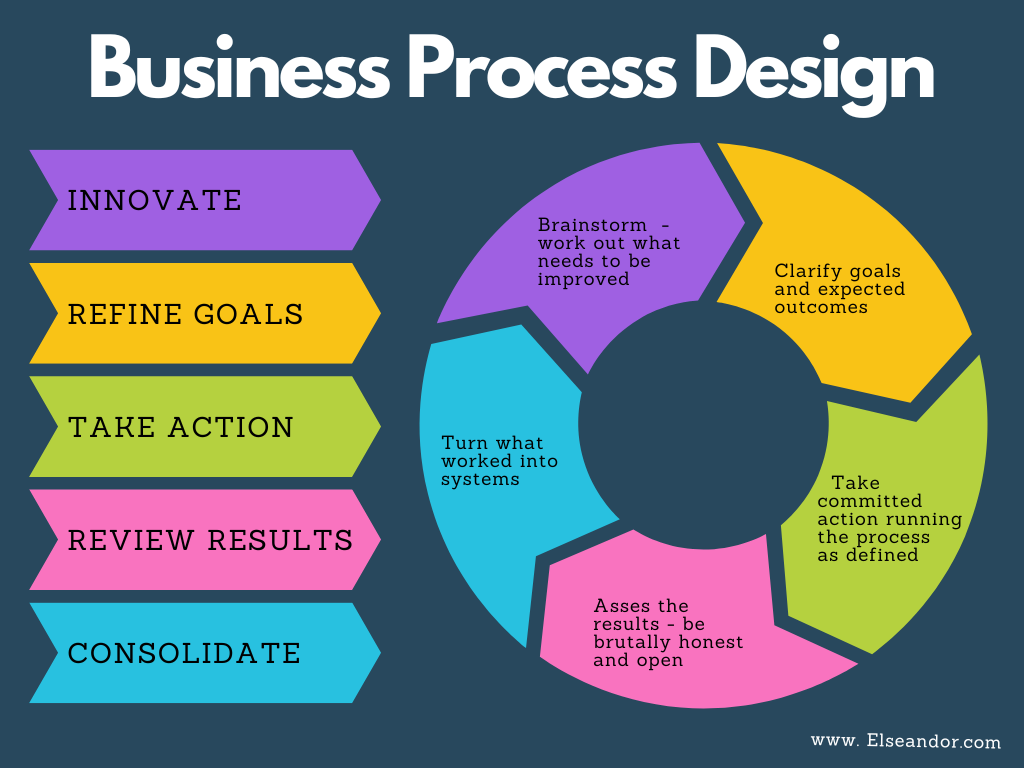
Once the system is in place the cycle shown in the diagram above is implemented. Iteration after iteration. Ever increasing efficiency.
I love working companies that have been around for a 3-10 years and are struggling with spreadsheets or mad assemblies of apps and need an integrated system.
If you happen to be working on solving the climate crisis that would be even better.
If this is you or if you know of a company that needs help – please get in touch!
A while back at a networking event I was talking about my business and how for the most part I have remained the database developer for several companies for decades. The person I was talking to was surprised that I might mention this to a new client. He suggested that no new client would want to hear that I might not leave! He thought that most clients would want me to write a system to sort out their business and then leave them alone – for ever.
But all things change and need to. The chances are that the business model and strategy that you have in place today is very unlikely to be the one you are using just a few years from now. Your systems need to change along with your strategies.
Everything is changing and so having the ability to modify, tweak and update your office management system is essential. The idea of a custom database system is that it runs your company as it needs to be run – now. Not as it was 5 years ago or even last year.
Attached is a wonderful distillation of why systems need to change.
An event maybe a single occurance or part of an underlying pattern
A pattern survives when there is a supporting structure
A supporting structure is the result of the implementation or ideas and policies.
Now reverse this.
There are events that you wish to have occur – you create the concept.
You create the sturtures that help support that concept.
You create the habits and behaviours that run the structure.
The desired events take place. If they do not you make adjustments until the desired events occur at the desired rate and calibre.
I am in the structures market. I create database systems that are the structures that reinforce the habits that produce the event. They help turn your concepts into events.